

【数据结构】单链表---C语言版
- 一、顺序表的缺陷
- 二、链表的概念和结构
- 1.概念:
- 三、链表的分类
- 四、链表的实现
- 1.头文件:SList.h
- 2.链表函数:SList.c
- 3.测试函数:test.c
- 五、链表应用OJ题
- 1.移除链表元素
- (1)题目描述:
- (2)思路表述:
- (3)代码实现:
- 2.翻转一个单链表
- (1)题目描述:
- (2)思路表述:
- (3)代码实现:
- 3.返回一个链表的中间节点
- (1)题目描述:
- (2)思路表述:
- (3)代码实现:
- 4.链表中倒数第k个结点
- (1)题目描述:
- (2)思路表述:
- (3)代码实现:
- 5.合并两个有序链表
- (1)题目描述:
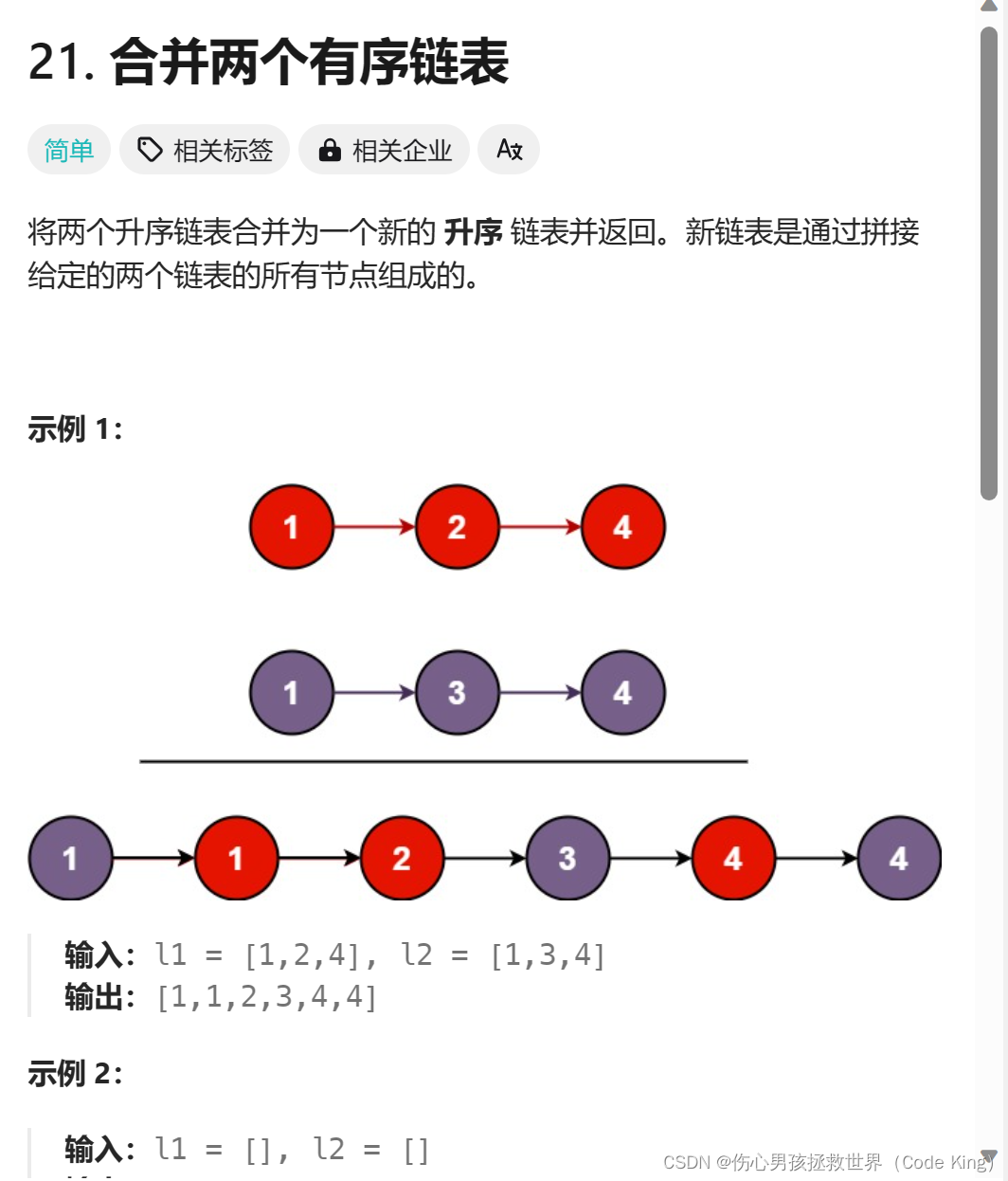
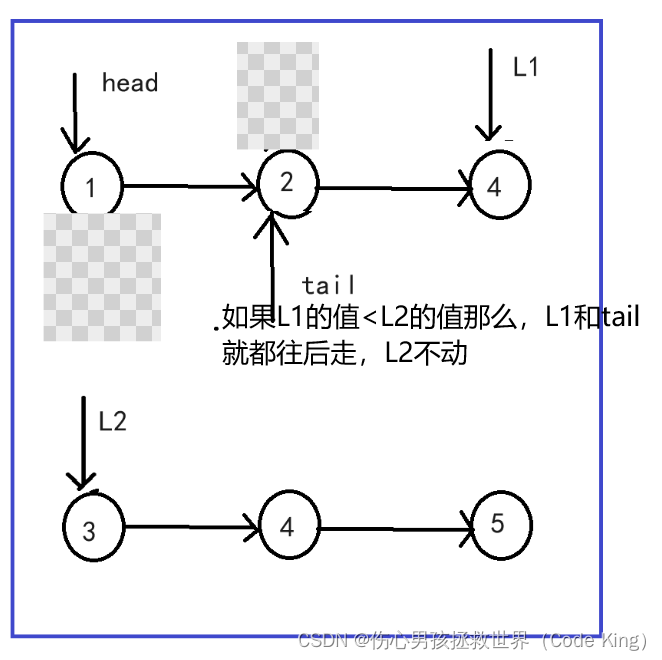
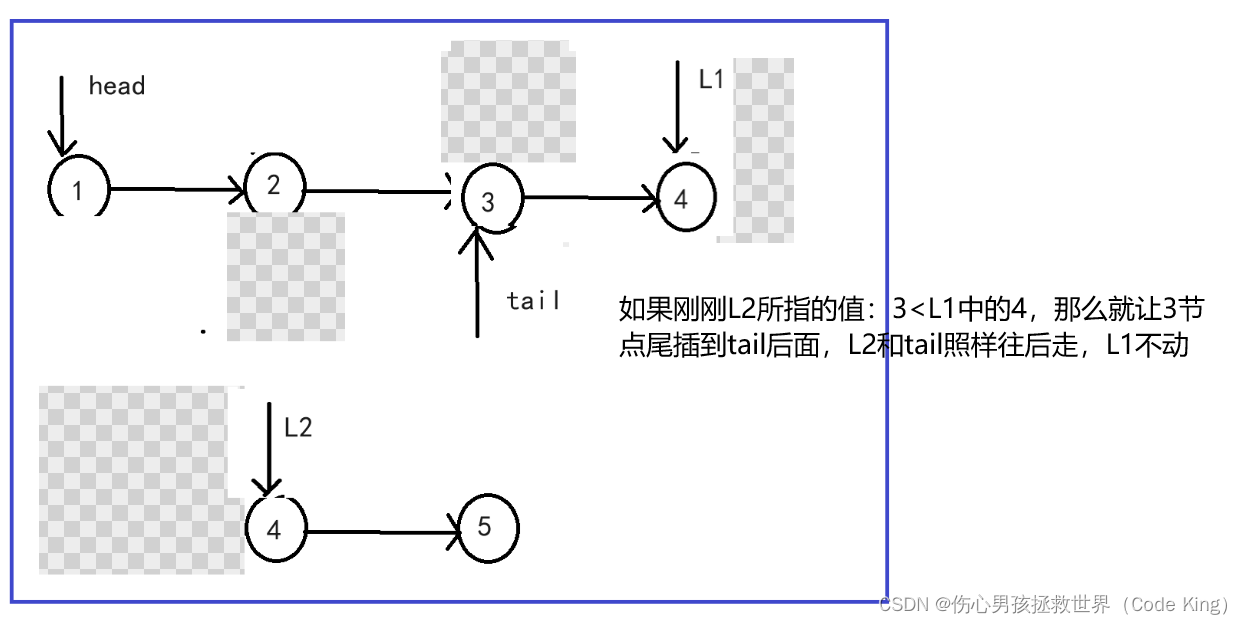
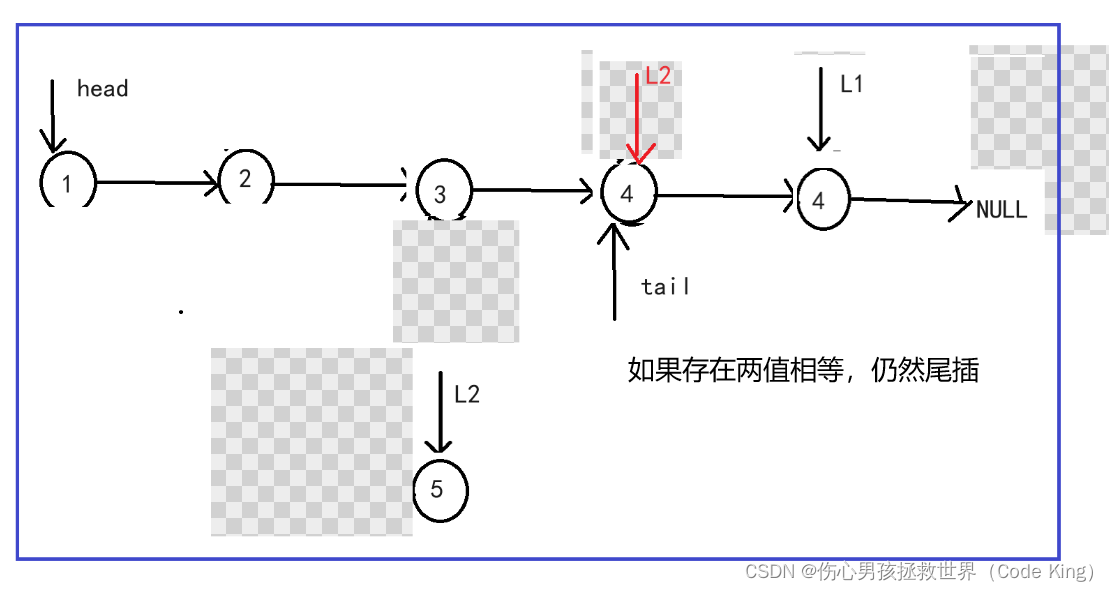
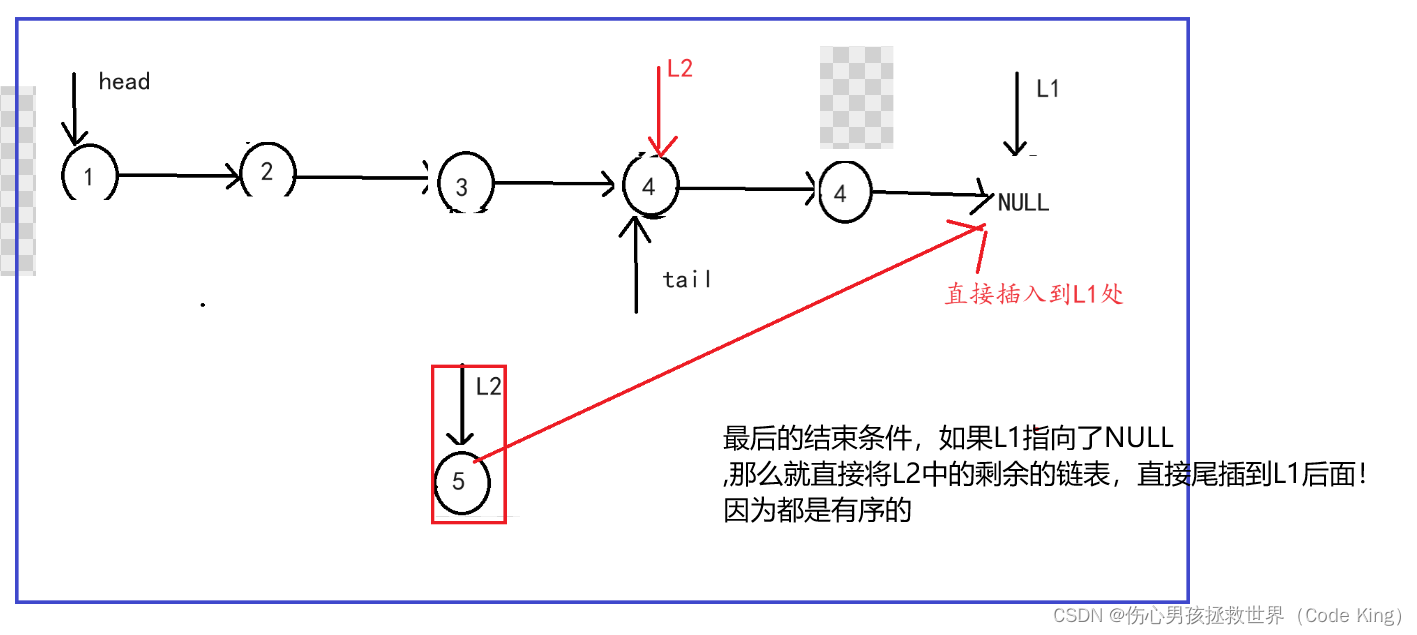
- (2)思路表述:
- (3)代码实现:
- 6. 链表分割
- (1)题目描述:
- (2)思路表述:
- (3)代码实现:
- 7. 链表的回文结构
- (1)题目描述:
- (2)思路表述:
- (3)代码实现:
- 8.相交链表
- (1)题目描述:
- (2)思路表述:
- (3)代码实现:
- 9.判断链表中是否有环
- (1)题目描述:
- (2)思路表述:
- (3)代码实现:
- 六、链表和顺序表的优缺点对比
一、顺序表的缺陷
(1)挪动数据时间开销较大:如果是头插或者头删,后面的数据都需要挪动时间复杂度为O(N),这样的代价就比较大。
(2)增容有代价:每次扩容都需要向系统申请空间,然后拷贝数据,然后再释放原来的旧空间,这样对系统的消耗还是不小的。
(3)空间浪费:我们每次空间不够,都会扩大原来空间的二倍,如果我只需要两个字节的空间,但是我扩大了原来100的2倍,那98个字节的空间就浪费了。
但是谁能来解决这个问题呢?那么就是接下来要讲的:链表!

现实中的链表就是这样的:

- 从上面的图片我们可以看出链式结构在逻辑上是连续的,但是在物理上它不一定是连续的。
- 现实中也就是物理上的节点都是从堆上申请出来的。
- 从堆上申请的空间是按照一定的策略来分配的,两次申请的空间:可能连续,也可能不连续。
三、链表的分类
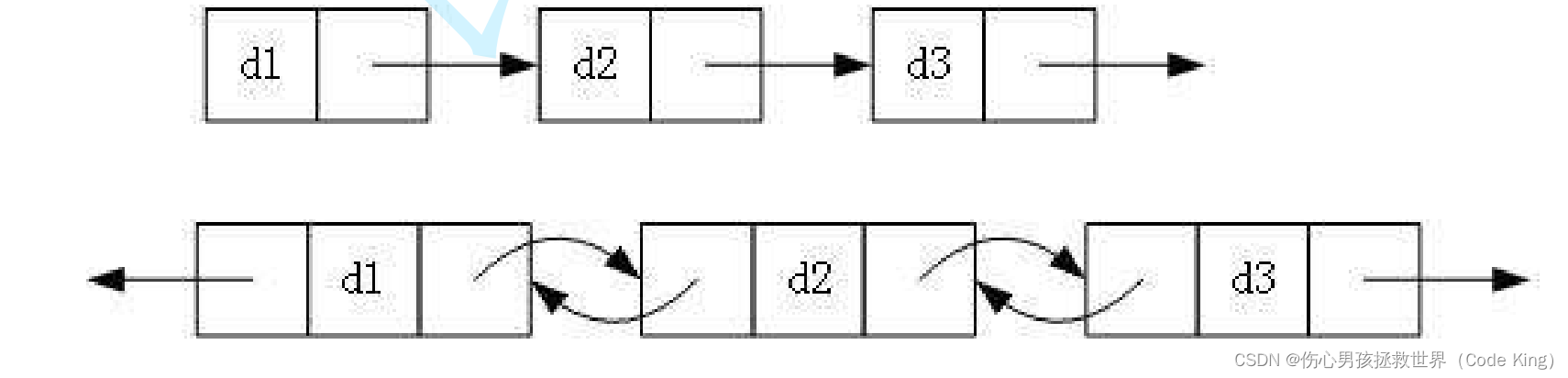
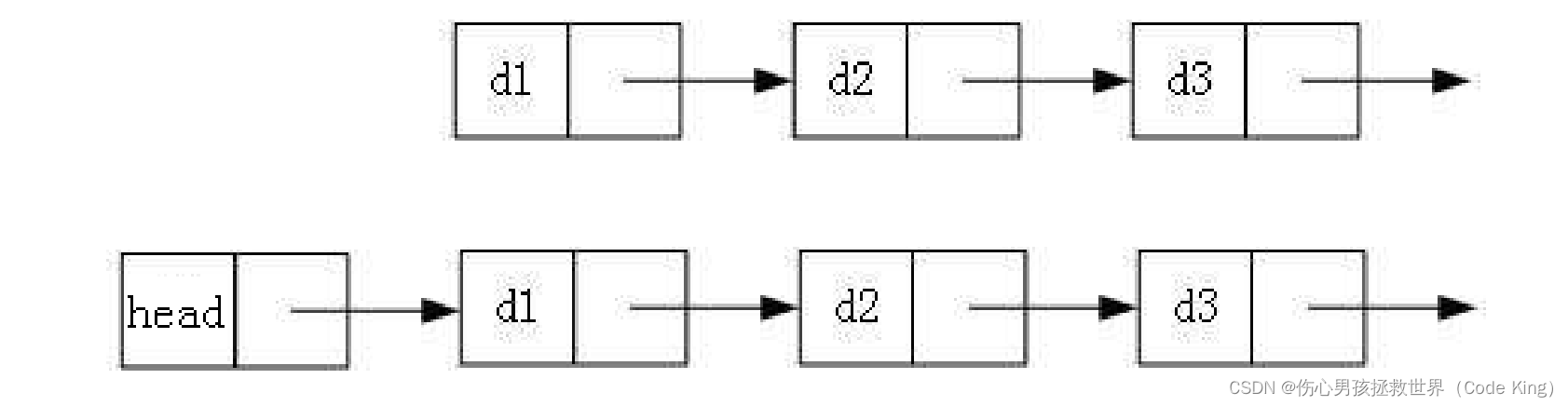
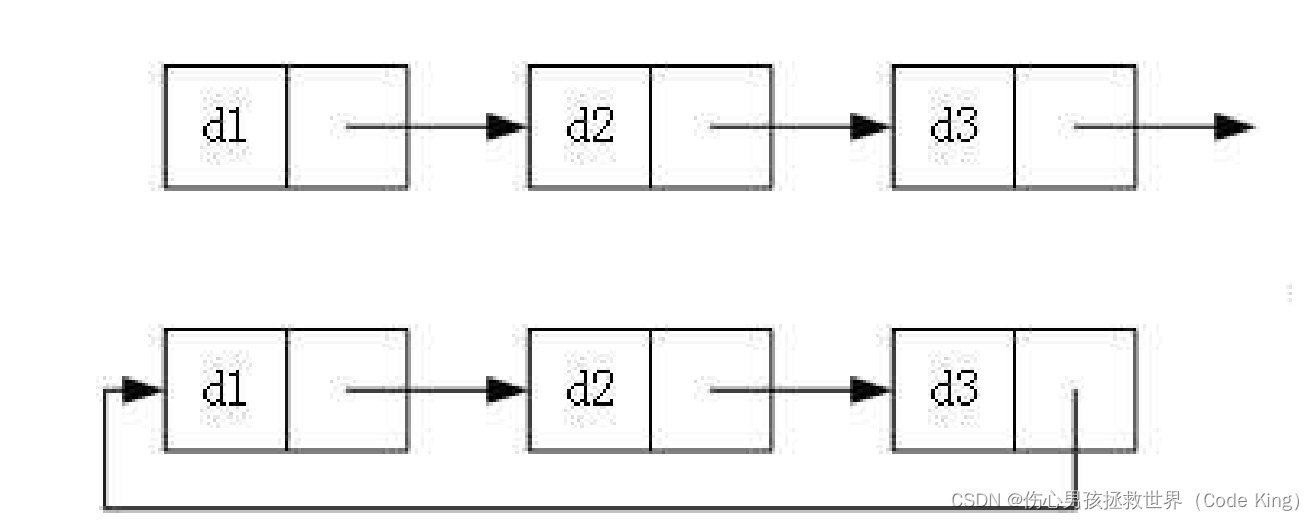
实际中链表的结构非常多样,以下情况组合起来就有8种链表结构:
1. 单向或者双向:
2. 带头或者不带头:
3. 循环或者非循环:
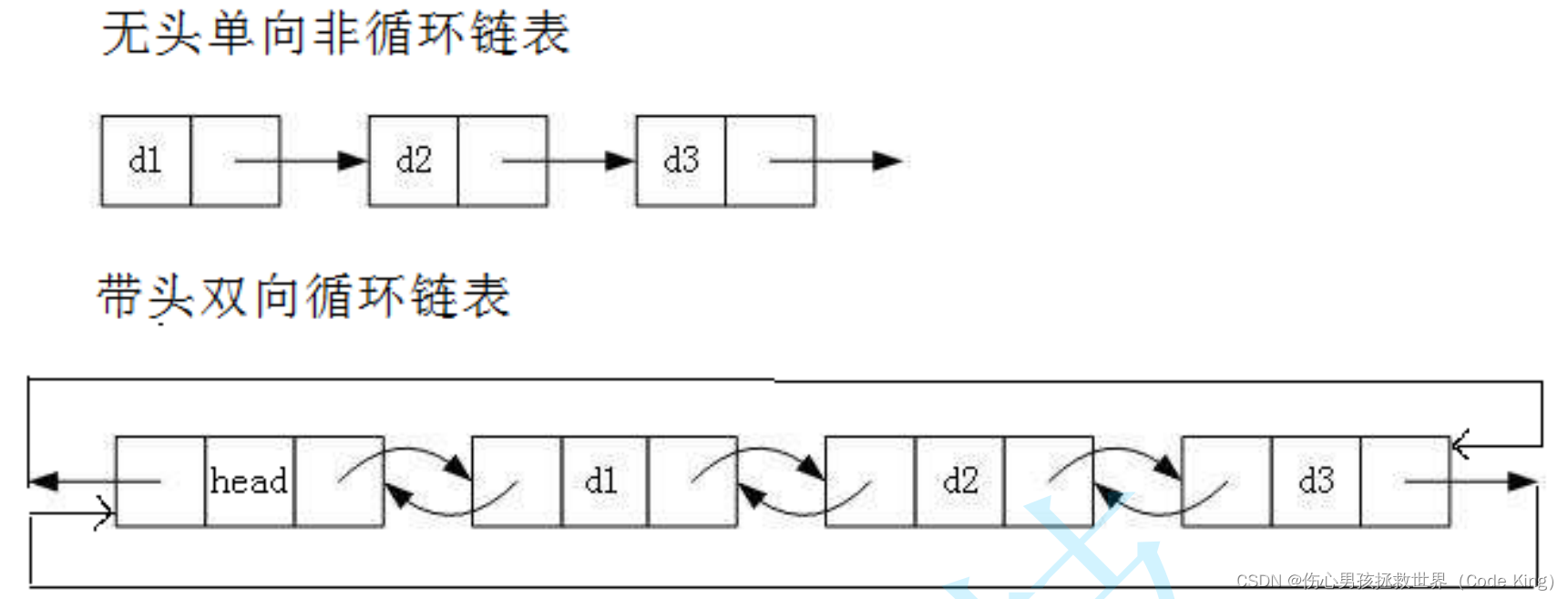
4.虽然有这么多的链表的结构,但是我们实际中最常用还是两种结构:
无头单向非循环链表和带头双向循环链表。
四、链表的实现
1.头文件:SList.h
#pragma once
#include <stdio.h>
#include <stdlib.h>
#include <assert.h>typedef int SLTDataType;typedef struct SListNode
{SLTDataType data;struct SListNode* next;
}SLTNode;//打印函数
void SLTPrint(SLTNode* phead);//申请新结点函数
SLTNode* BuySListNode(SLTDataType x);//头插
void SLTPushFront(SLTNode** pphead, SLTDataType x);//尾插
void SLTPushBack(SLTNode** pphead, SLTDataType x);//头删
void SLTPopFront(SLTNode** pphead);//尾删
void SLTPopBack(SLTNode** pphead);//单链表查找
SLTNode* SLTFind(SLTNode* phead, SLTDataType x);// 在pos之前插入x
void SLTInsert(SLTNode** pphead, SLTNode* pos, SLTDataType x);//在pos位置之后插入一个数字x
void SLTInsertAfter(SLTNode* pos, SLTDataType x);//删除POS位置的值
void SLTErase(SLTNode** pphead, SLTNode* pos);//删除POS位置的下一个值
void SLTEraseAfter(SLTNode* pos);
2.链表函数:SList.c
#define _CRT_SECURE_NO_WARNINGS 1
#include <stdio.h>
#include "SList.h"void SLTPrint(SLTNode* phead)
{SLTNode* cur = phead;while (cur){printf("%d-> ", cur->data);cur = cur->next;}printf("NULL\n");
}SLTNode* BuySListNode(SLTDataType x)
{SLTNode* newnode = (SLTNode*)malloc(sizeof(SLTNode));if (newnode == NULL){perror("malloc fail");exit(-1);}newnode->data = x;newnode->next = NULL;return newnode;
}//头插void SLTPushFront(SLTNode** pphead, SLTDataType x)
{SLTNode* newnode = BuySListNode(x);newnode->next = *pphead;*pphead = newnode;
}//尾插
//如果我要改变指针的指向,我不可能通过传值调用,我只能通过来改变指针的地址,
//也就是用二级指针才能改变结构体指针的指向。
void SLTPushBack(SLTNode** pphead, SLTDataType x)
{SLTNode* newnode = BuySListNode(x);//创建新节点if (*pphead == NULL){// 改变的结构体的指针,所以要用二级指针*pphead = newnode;}else{SLTNode* tail = *pphead;while (tail->next)//tail->next!=NULL{tail = tail->next;}// 改变的结构体,用结构体的指针即可tail->next = newnode;//因为tail->next是结构体中的一个成员}
}//头删
void SLTPopFront(SLTNode** pphead)
{//空://如果直接指向空指针,那就不用删了assert(*pphead);//非空:// 我们需要运用空瓶思想创建个临时变量来存放,要删那个节点的下一个节点的地址,//要不然删除那个节点之后,下一个节点的地址就连接不上了。SLTNode* newnode = (*pphead)->next;free(*pphead);*pphead = newnode;}//尾删
void SLTPopBack(SLTNode** pphead)
{//1.空assert(*pphead);//1个节点if ((*pphead)->next == NULL){free(*pphead);*pphead = NULL;}//1个以上结点else{//因为是尾删,所以需要一个前摇标志:tailPrevSLTNode* tailPrev = NULL;SLTNode* tail = *pphead;while (tail->next){tailPrev = tail;tail = tail->next;}free(tail);tailPrev->next = NULL;}//方法2//SLTNode* tail = *pphead;//while (tail->next->next)//{//	tail = tail->next;//}//free(tail->next);//tail->next = NULL;
}//查找函数
SLTNode* SLTFind(SLTNode* phead, SLTDataType x)
{SLTNode* cur = phead;while (cur)//而不是cur->text!=NULL,查找因为我要遍历完!!!{if (cur->data == x){return cur;}cur = cur->next;}return NULL;//当全部都遍历完了,还没找到的话,就直接返回  空 (NULL)
}//在POS之前插入一个结点void SLTInsert(SLTNode** pphead, SLTNode* pos, SLTDataType x)
{assert(pphead);assert(pos);//SLTNode* prev = *pphead;if (pos == *pphead){SLTPushFront(pphead, x);}else{SLTNode* prev = *pphead;while (prev->next != pos){prev = prev->next;}SLTNode* newnode = BuySListNode(x);prev->next = newnode;newnode->next = pos;}
}//在pos位置后插入一个数字
void SLTInsertAfter(SLTNode* pos, SLTDataType x)
{assert(pos);SLTNode* newnode = BuySListNode(x);//while()为啥不用循环????newnode->next = pos->next;pos->next = newnode;}void SLTErase(SLTNode** pphead, SLTNode* pos)
{assert(pos);if (pos == *pphead){SLTPopFront(pphead);}else{SLTNode* prev = *pphead;while (prev->next != pos){prev = prev->next;}prev->next = pos->next;free(pos);//pos = NULL;}
}//删除pos后位置的一个值
void SLTEraseAfter(SLTNode* pos)
{assert(pos);//检查尾节点是否为空assert(pos->next);//空瓶思想:需要先做一个标记,posnext就是空瓶存放,在pos的下一个位置SLTNode* posNext = pos->next;pos->next = posNext->next;free(posNext);posNext = NULL;}
3.测试函数:test.c
#define _CRT_SECURE_NO_WARNINGS 1
#include <stdio.h>
#include "SList.h"void TestList1()
{int n=0;printf("请输入链表的长度:");scanf("%d", &n);printf("\n请依次输入每个节点的值:");SLTNode* plist = NULL;for (int i = 0; i < n; i++){int val = 0;scanf("%d", &val);SLTNode* newnode = BuySListNode(val);//头插newnode->next = plist;plist = newnode;}SLTPrint(plist);SLTPushBack(&plist, 10000);SLTPrint(plist);
}//void SLTPushBack(SLTNode** phead, SLTDataType x)
//{
//	//如果我要改变指针的指向,我不可能通过传值调用,我只能通过来改变指针的地址,也就是用二级指针才能改变结构体指针的指向。
//	SLTNode* newnode = BuySListNode(x);
//	SLTNode* tail = phead;
//	while (tail->next)//tail->next!=NULL
//	{
//		tail = tail->next;
//	}
//	tail->next = newnode;
//}//测试尾插
void TestList2()
{SLTNode* plist = NULL;SLTPushBack(&plist, 10);SLTPrint(plist);SLTPushBack(&plist, 20);SLTPrint(plist);SLTPushBack(&plist, 30);SLTPrint(plist);SLTPushBack(&plist, 40);SLTPrint(plist);SLTPushBack(&plist, 50);SLTPrint(plist);
}//测试头插
void TestList3()
{SLTNode* plist = NULL;SLTPushFront(&plist, 10);SLTPrint(plist);SLTPushFront(&plist, 20);SLTPrint(plist);SLTPushFront(&plist, 30);SLTPrint(plist);SLTPushFront(&plist, 40);SLTPrint(plist);SLTPushFront(&plist, 50);SLTPrint(plist);
}//测试尾删
void TestList4()
{SLTNode* plist = NULL;SLTPushFront(&plist, 10);SLTPushFront(&plist, 20);SLTPushFront(&plist, 30);SLTPushFront(&plist, 40);SLTPushFront(&plist, 50);SLTPrint(plist);SLTPopBack(&plist);SLTPrint(plist);SLTPopBack(&plist);SLTPrint(plist);SLTPopBack(&plist);SLTPrint(plist);SLTPopBack(&plist);SLTPrint(plist);SLTPopBack(&plist);SLTPrint(plist);
}//测试头删
void TestList5()
{SLTNode* plist = NULL;SLTPushFront(&plist, 10);SLTPushFront(&plist, 20);SLTPushFront(&plist, 30);SLTPushFront(&plist, 40);SLTPushFront(&plist, 50);SLTPrint(plist);SLTPopFront(&plist);SLTPrint(plist);SLTPopFront(&plist);SLTPrint(plist);SLTPopFront(&plist);SLTPrint(plist);SLTPopFront(&plist);SLTPrint(plist);SLTPopFront(&plist);SLTPrint(plist);
}//测试查找
void TestList6()
{SLTNode* plist = NULL;SLTPushFront(&plist, 10);SLTPushFront(&plist, 20);SLTPushFront(&plist, 30);SLTPushFront(&plist, 40);SLTPushFront(&plist, 50);SLTPrint(plist);SLTNode* pos = SLTFind(plist, 40);if (pos){pos->data *= 10;}SLTPrint(plist);int x = 0;printf("请输入要查找数字的位置:");scanf("%d", &x);pos = SLTFind(plist, x);if (pos){SLTInsert(&plist, pos, x * 10);}SLTPrint(plist);}void TestList7()
{SLTNode* plist = NULL;SLTPushFront(&plist, 10);SLTPushFront(&plist, 20);SLTPushFront(&plist, 30);SLTPushFront(&plist, 40);SLTPushFront(&plist, 50);SLTPrint(plist);int x;printf("请输入你想要查找的数字:");scanf("%d", &x);SLTNode* pos = SLTFind(plist, x);if (pos){SLTInsertAfter(pos, x * 10);}SLTPrint(plist);}void TestList8()
{SLTNode* plist = NULL;SLTPushFront(&plist, 10);SLTPushFront(&plist, 20);SLTPushFront(&plist, 30);SLTPushFront(&plist, 40);SLTPushFront(&plist, 50);SLTPrint(plist);int x = 0;printf("请输入你想要查找的数字:");scanf("%d", &x);SLTNode* pos = SLTFind(plist, x);if (pos){SLTErase(plist, pos);}SLTPrint(plist);
}void TestList9()
{SLTNode* plist = NULL;SLTPushFront(&plist, 10);SLTPushFront(&plist, 20);SLTPushFront(&plist, 30);SLTPushFront(&plist, 40);SLTPushFront(&plist, 50);SLTPrint(plist);int x = 0;printf("请输入你想要查找的数字:");scanf("%d", &x);SLTNode* pos = SLTFind(plist, x);if (pos){SLTEraseAfter(pos);}SLTPrint(plist);}int main()
{//TestList1();//TestList2();//TestList3();//TestList4();//TestList5();//TestList6();//TestList7();TestList8();//TestList9();return 0;
}
五、链表应用OJ题
1.移除链表元素
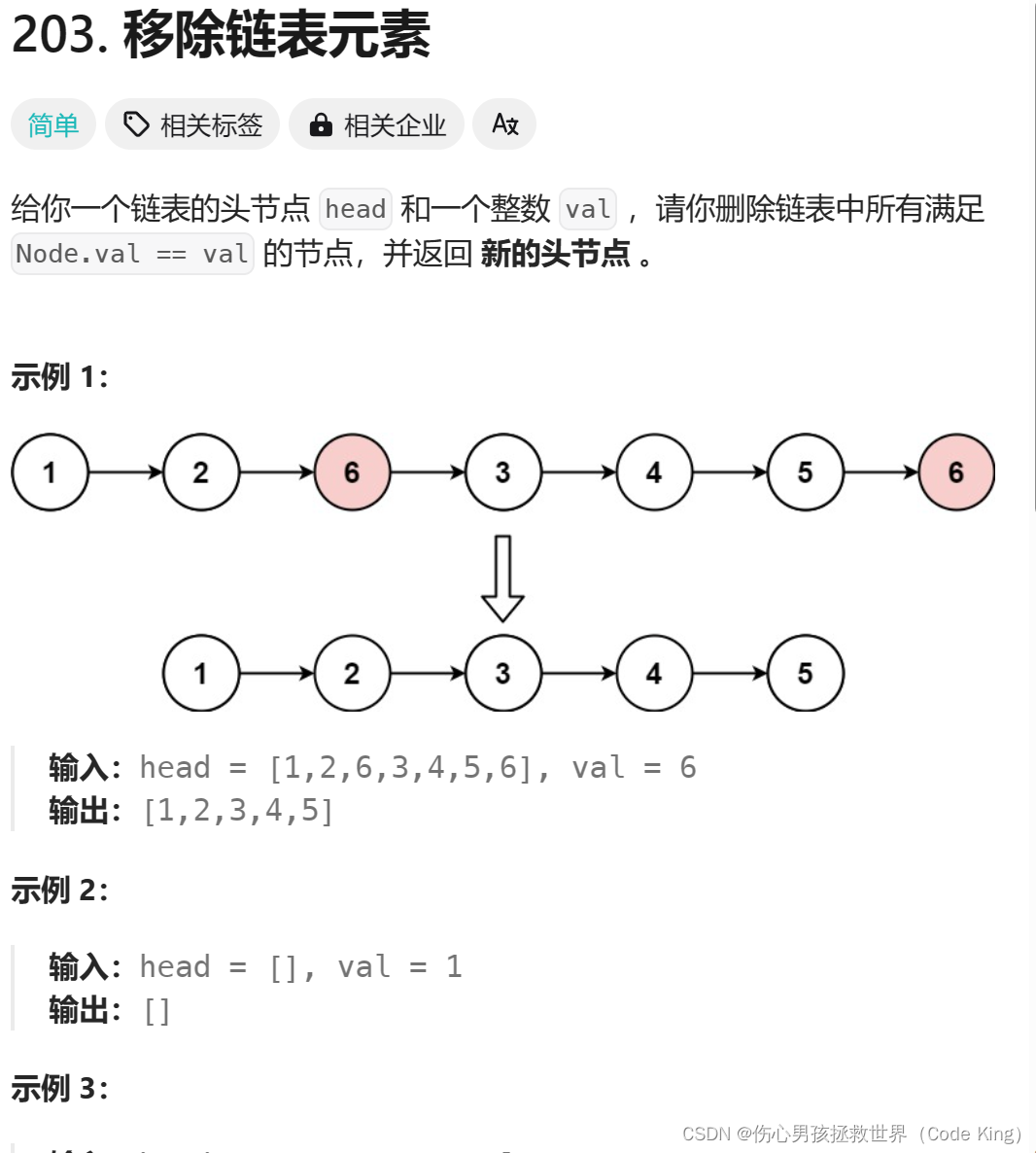
(1)题目描述:
点击链接
(2)思路表述:
创建的prev和tmp指针都是用来保存 cur当前节点指针的前一个和后一个:因为如果你直接销毁cur的话,他前一个和后一个连接不起来,所以说你要先创建暂时的节点来保存它。
分类讨论:
-
从头往后找,如果没找到要删的目标节点就一直往后走:
prev->next=cur;
cur=cur->next; -
如果找到目标节点,这里面还要分为:如果目标节点是在“头”,我们要进行“头删”,如果在除了“头”的其他位置是另一种情况(注意:只要我找到了要删的目标节点,我一定要先保存,当前要删节点的下一个!)
(3)代码实现:
/*** Definition for singly-linked list.* struct ListNode {*     int val;*     struct ListNode *next;* };*/
struct ListNode* removeElements(struct ListNode* head, int val)
{struct ListNode* prev=NULL;struct ListNode* cur=head;while(cur){if(cur->val==val)//只要找到了,我就保存!{struct ListNode* tmp=cur->next;//接下来我就要判断了,//1.如果他这个链表里面第1个就是我们要删除的节点。prev==NULL就说明第1个就是目标if(prev==NULL){free(cur);head=tmp;cur=tmp;}else//2.除了头删的其他任意位置!{prev->next=tmp;free(cur);cur=tmp;}}else//没找到就都往下一个走{prev->next=cur;cur=cur->next;}}return head;
}
2.翻转一个单链表
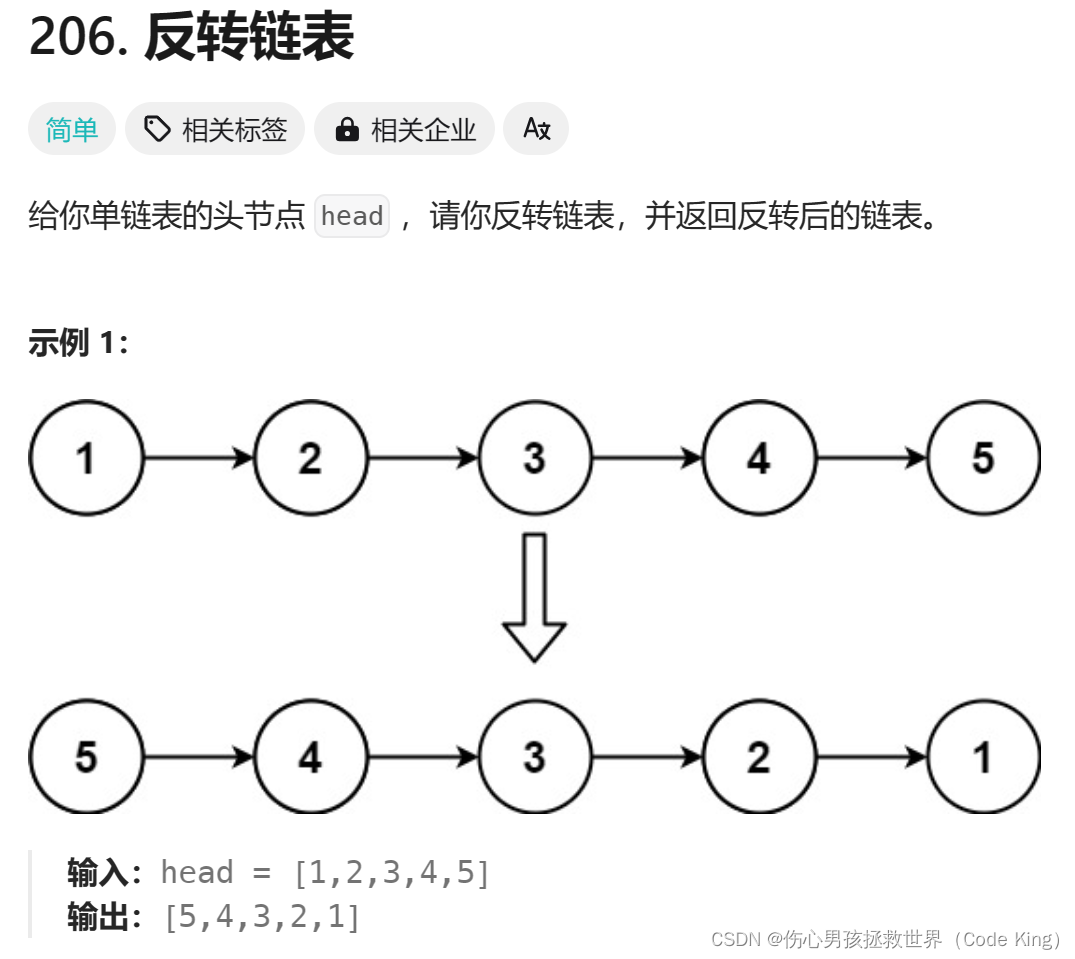
(1)题目描述:
点击链接
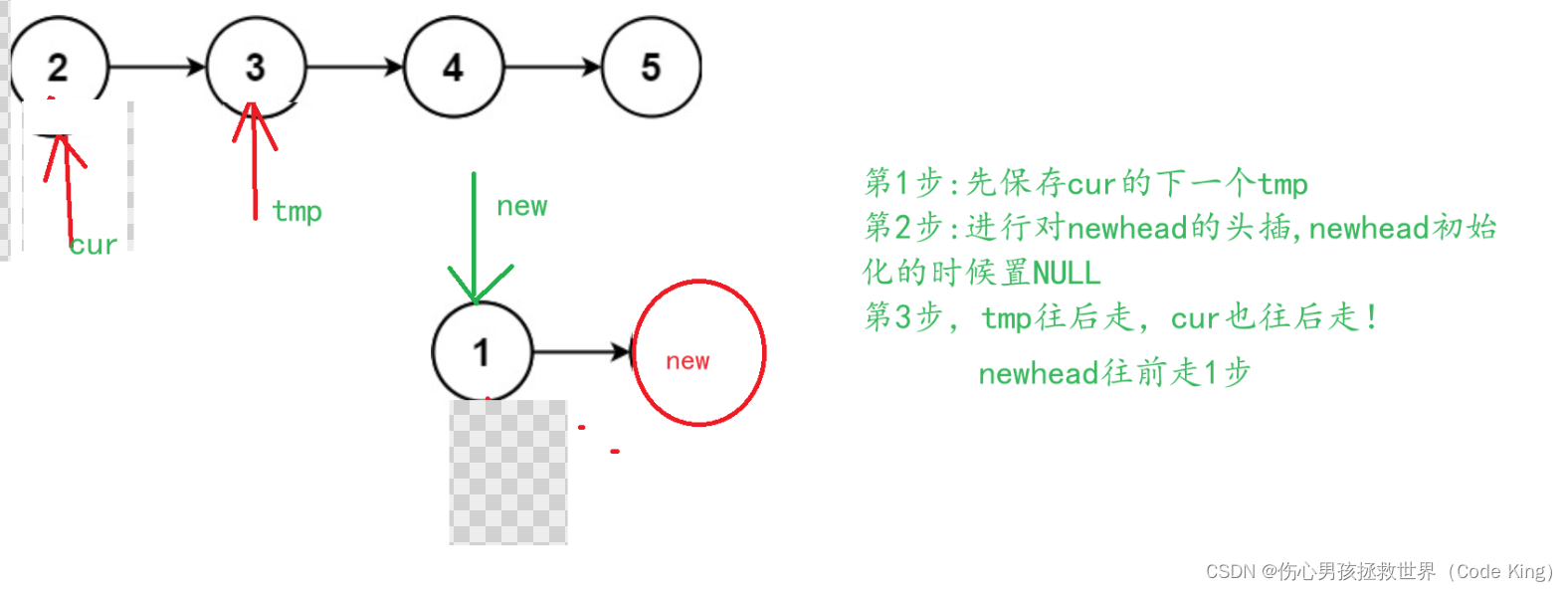
(2)思路表述:
1.
2.
3.
(3)代码实现:
/*** Definition for singly-linked list.* struct ListNode {*     int val;*     struct ListNode *next;* };*/
struct ListNode* reverseList(struct ListNode* head)
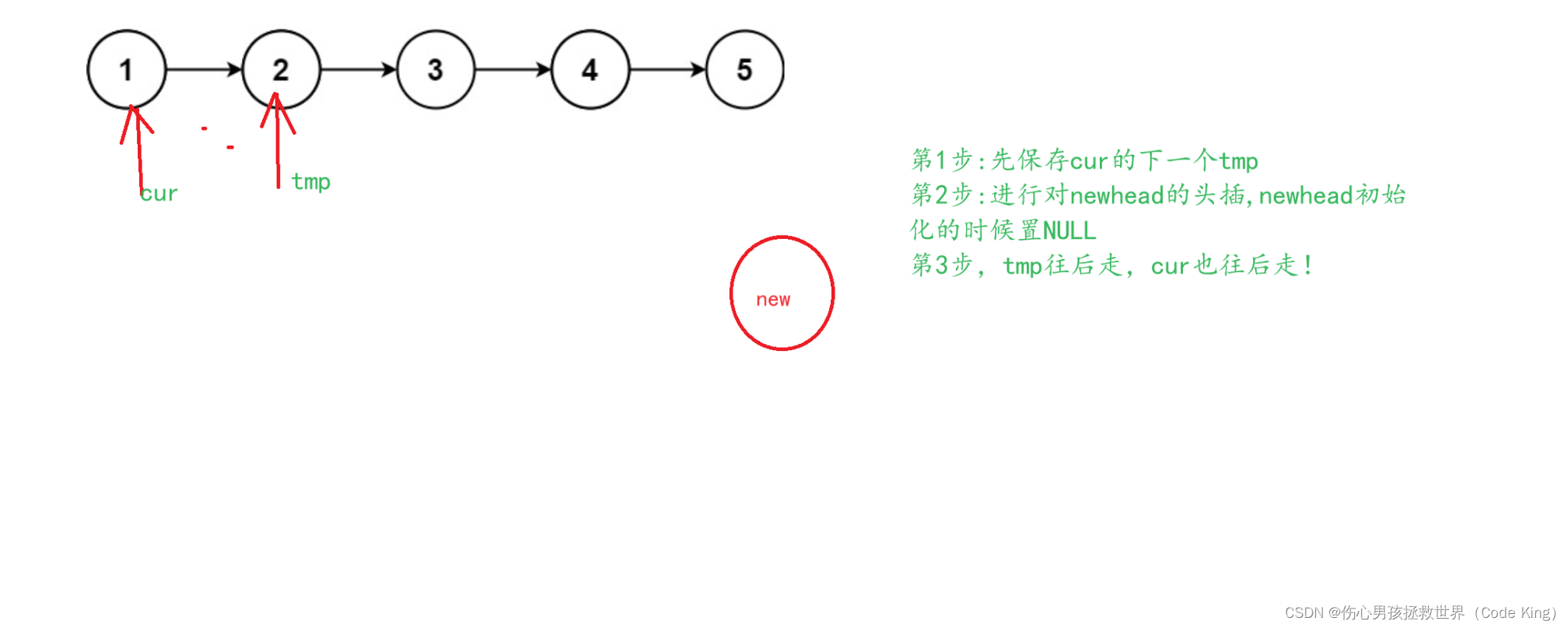
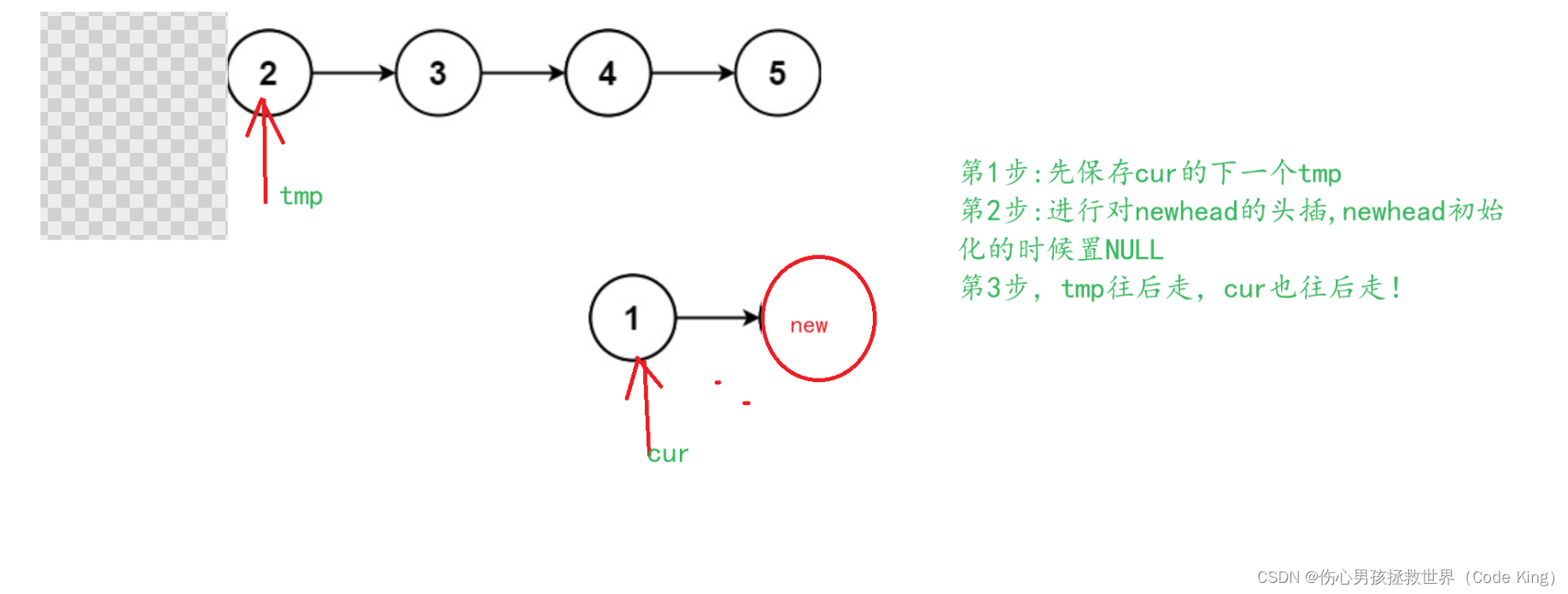
{struct ListNode* cur=head;struct ListNode* newhead=NULL;while(cur){//1.保存cur的下一个结点struct ListNode* tmp=cur->next;//2.头插:头插之后一定要记得newhead要往前走一步cur->next=newhead;newhead=cur;//3.原链表中的cur继续往后走!cur=tmp;}return newhead;
}
3.返回一个链表的中间节点
(1)题目描述:
点击链接
(2)思路表述:
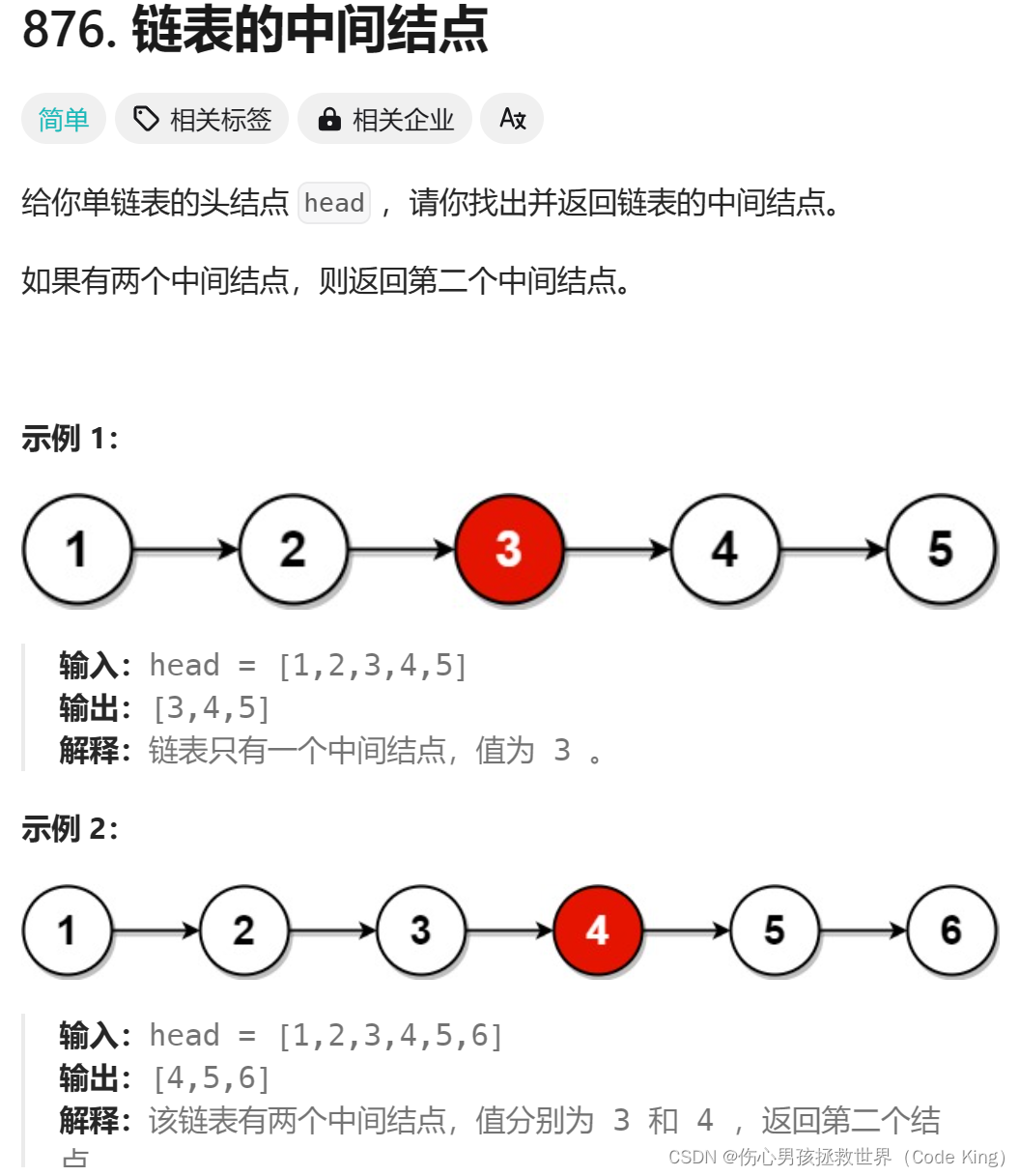
利用两个指针,一个是快指针(fast),一个慢指针(slow),快指针移动的速度是慢指针的二倍!
(3)代码实现:
/*** Definition for singly-linked list.* struct ListNode {*     int val;*     struct ListNode *next;* };*/
struct ListNode* middleNode(struct ListNode* head)
{struct ListNode* fast=head;struct ListNode* slow=head;while(fast&&fast->next)//1.fast存在:针对奇数个结点  2.fast—>next存在:针对偶数个结点{fast=fast->next->next;slow=slow->next;}return slow;
}
4.链表中倒数第k个结点
(1)题目描述:
点击链接

(2)思路表述:
如果要求倒数第k个节点并返回k节点:还是利用快慢指针法,先让fast指针走k步,slow在第一个节点不动,完了之后呢,然后他们再一起走,最后如果fast走到了NULL,那么就直接返回slow就OK了!
自己要尝试画画图
(3)代码实现:
/*** struct ListNode {*	int val;*	struct ListNode *next;* };*//*** * @param pListHead ListNode类 * @param k int整型 * @return ListNode类*/
struct ListNode* FindKthToTail(struct ListNode* pListHead, int k )
{struct ListNode* fast=pListHead;struct ListNode* slow=pListHead;//fast=(fast->next)*k;//先让fast指针走K步while(k--){if(fast==NULL){return NULL;}fast=fast->next;}while(fast){fast=fast->next;slow=slow->next;}return slow;
}
5.合并两个有序链表
(1)题目描述:
题目链接
(2)思路表述:
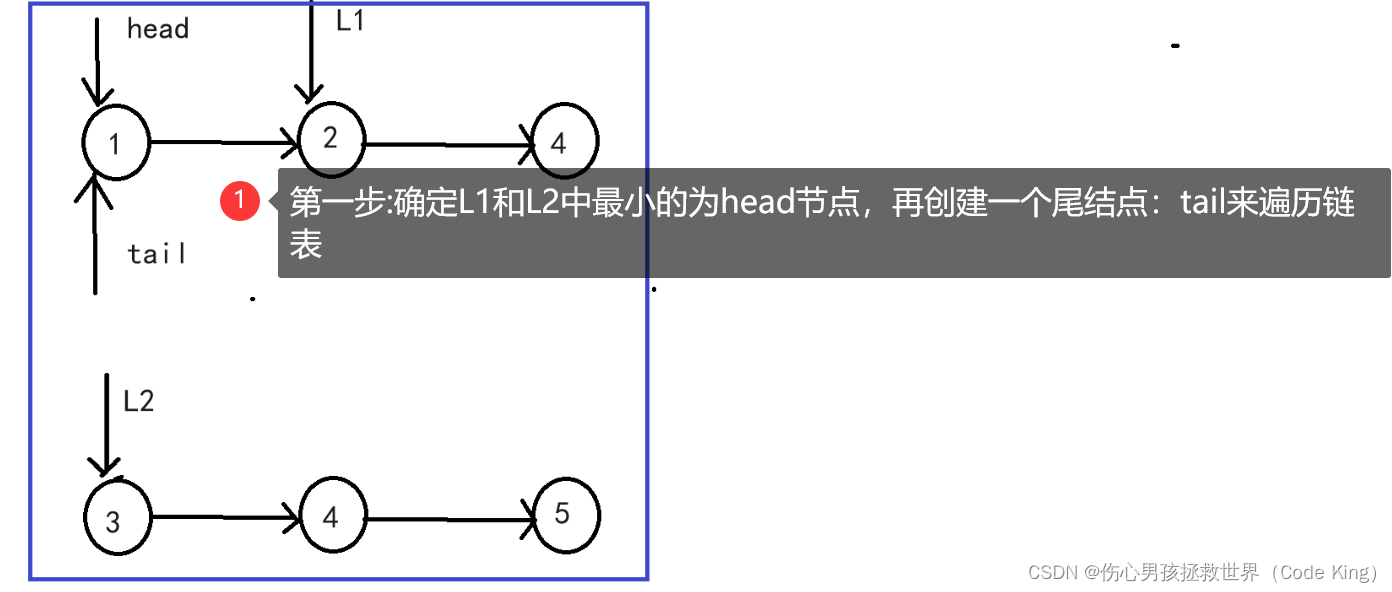
2.
3.
4.
5.
(3)代码实现:
/*** Definition for singly-linked list.* struct ListNode {*     int val;*     struct ListNode *next;* };*/
struct ListNode* mergeTwoLists(struct ListNode* l1, struct ListNode* l2)
{struct ListNode* head=NULL;struct ListNode* tail=NULL;//前提:排除如果有一个链表就是空的咋办?if(l1==NULL){return l2;}if(l2==NULL){return l1;}//1.确定好:l1和l2谁为head,tailif(l1->val<l2->val){head=tail=l1;l1=l1->next;}else{head=tail=l2;l2=l2->next;}//2.逐个节点判断while(l1&&l2){if(l1->val<l2->val){tail->next=l1;l1=l1->next;tail=tail->next;}else{tail->next=l2;l2=l2->next;tail=tail->next;}}//3.如果跳出了循环,那么肯定有一个指向了NULLif(l1==NULL){tail->next=l2;}if(l2==NULL){tail->next=l1;}return head;
}
6. 链表分割
(1)题目描述:
点击链接

(2)思路表述:
分析:申请两个链表,一个放比x小的节点,一个放比x大的节点,最后将大链表链接在小链表末尾即可。
(3)代码实现:
/*
struct ListNode {int val;struct ListNode *next;ListNode(int x) : val(x), next(NULL) {}
};*/
#include <cstddef>
class Partition {public:ListNode* partition(ListNode* pHead, int x) {struct ListNode* cur = pHead;struct ListNode* lhead;struct ListNode* ltail;struct ListNode* ghead;struct ListNode* gtail;lhead= ltail= (struct ListNode*)malloc(sizeof(struct ListNode));ghead= gtail=(struct ListNode*)malloc(sizeof(struct ListNode));while (cur) {if (cur->val < x) {ltail->next = cur;ltail = ltail->next;}else {gtail->next = cur;gtail = gtail->next;}cur = cur->next;}ltail->next = ghead->next;//不置空,会导致死循环gtail->next = NULL;//释放哨兵位,但需先创建结构体保存:lhead的第一个struct ListNode* head = lhead->next;free(lhead);free(ghead);return head;}
};
7. 链表的回文结构
(1)题目描述:
点击链接

(2)思路表述:
分析:判断链表是否是回文结构,可以结合前面的题:
(1)利用快慢指针找到链表中间结点
(2)将后半部分逆置
(3)将(2)中的链表从第一个节点开始和中间结点开始同时进行访问,如果所有val相等,则链表为回文结构。
(3)代码实现:
/*
struct ListNode {int val;struct ListNode *next;ListNode(int x) : val(x), next(NULL) {}
};*/
class PalindromeList {public:bool chkPalindrome(ListNode* head) {struct ListNode* middleNode(struct ListNode * head);struct ListNode* reverseList(struct ListNode * head);//找到中间节点struct ListNode* middleNode(struct ListNode * head) {struct ListNode* fast = head;struct ListNode* slow = head;while (fast && fast->next) {slow = slow->next;fast = fast->next->next;}return slow;}//将中间节点后的都逆置struct ListNode* reverseList(struct ListNode * head) {struct ListNode* cur = head;struct ListNode* newhead = NULL;while (cur) {//这个next定义一定要在while循环内部,因为每次头插之前都要保存下一个节点的地址!!!struct ListNode* next = cur->next;//头插cur->next = newhead;newhead = cur;cur = next;}return newhead;}struct ListNode* mid = middleNode(head);struct ListNode* rmid = reverseList(mid);//head相当于原来链表的前一半的头指针//rmid相当于原来链表后一半的头指针while (head && rmid) {if (head->val != rmid->val) {return false;}head = head->next;rmid = rmid->next;}return true;}};
8.相交链表
(1)题目描述:
点击链接
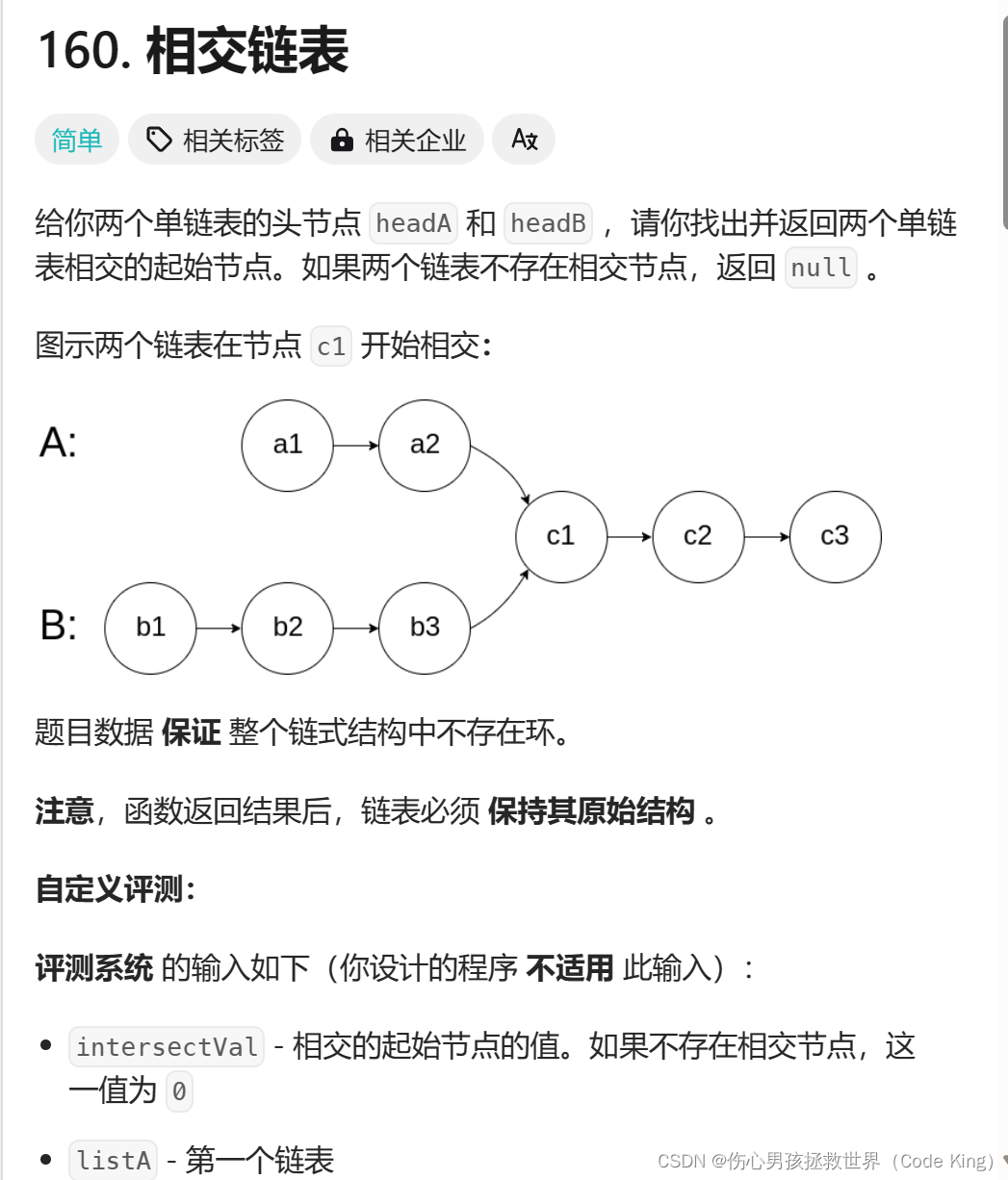
(2)思路表述:
分别计算出L1链表和L2链表的总长度,然后用两个指针,一个是:fast,一个是:slow,让fast先走他们的差值步,让他们处在同一竖直平行线上,然后他们两个一起走,两个指针一起走后如果所指向的节点的值相同,那么就返回这个公共节点,也就是相交节点!
(3)代码实现:
/*** Definition for singly-linked list.* struct ListNode {*     int val;*     struct ListNode *next;* };*/
struct ListNode *getIntersectionNode(struct ListNode *headA, struct ListNode *headB)
{//1.极端条件的判断,要么L1为空,要么L2为空,我就返回空,所以说不可能有公共交点。if(headA == NULL || headB == NULL){return NULL;}struct ListNode *curA = headA, *curB = headB;int lenA = 0,lenB = 0;while(curA->next){curA = curA->next;lenA++;}while(curB->next){curB = curB->next;lenB++;}//2.此时此刻两个循环都结束了,current a指向的是最后一个节点,current b也指向最后一个节点,如果他们两个不相等的话,走到最后一个节点还没有公共交点,那么他们两个永远远远不可能会有公共节点,所以说我们直接返回空就ok了。if(curA != curB){return NULL;}//3.此时两个指针都指向数值水平线的平行线上处于同一位置,现在不知道lena大?还是lenb大?所以说我先假设lena大struct ListNode *longList = headA,*shortList = headB;if(lenA < lenB){longList = headB;shortList = headA;}int gap = abs(lenA - lenB);while(gap--){longList = longList->next;}while(longList != shortList){longList = longList->next;shortList = shortList->next;}return longList;
}
9.判断链表中是否有环
(1)题目描述:
点击链接
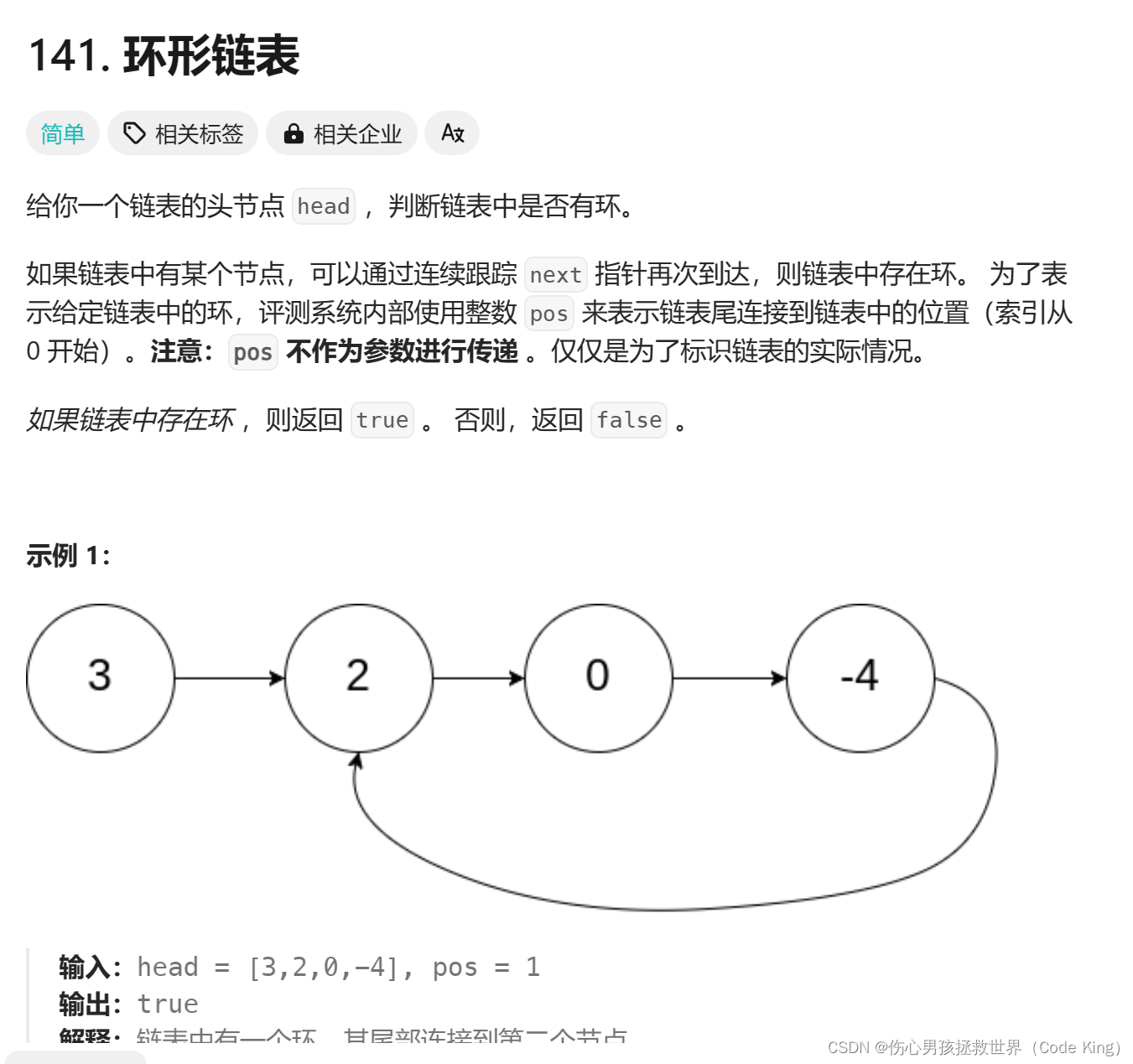
(2)思路表述:
分析:
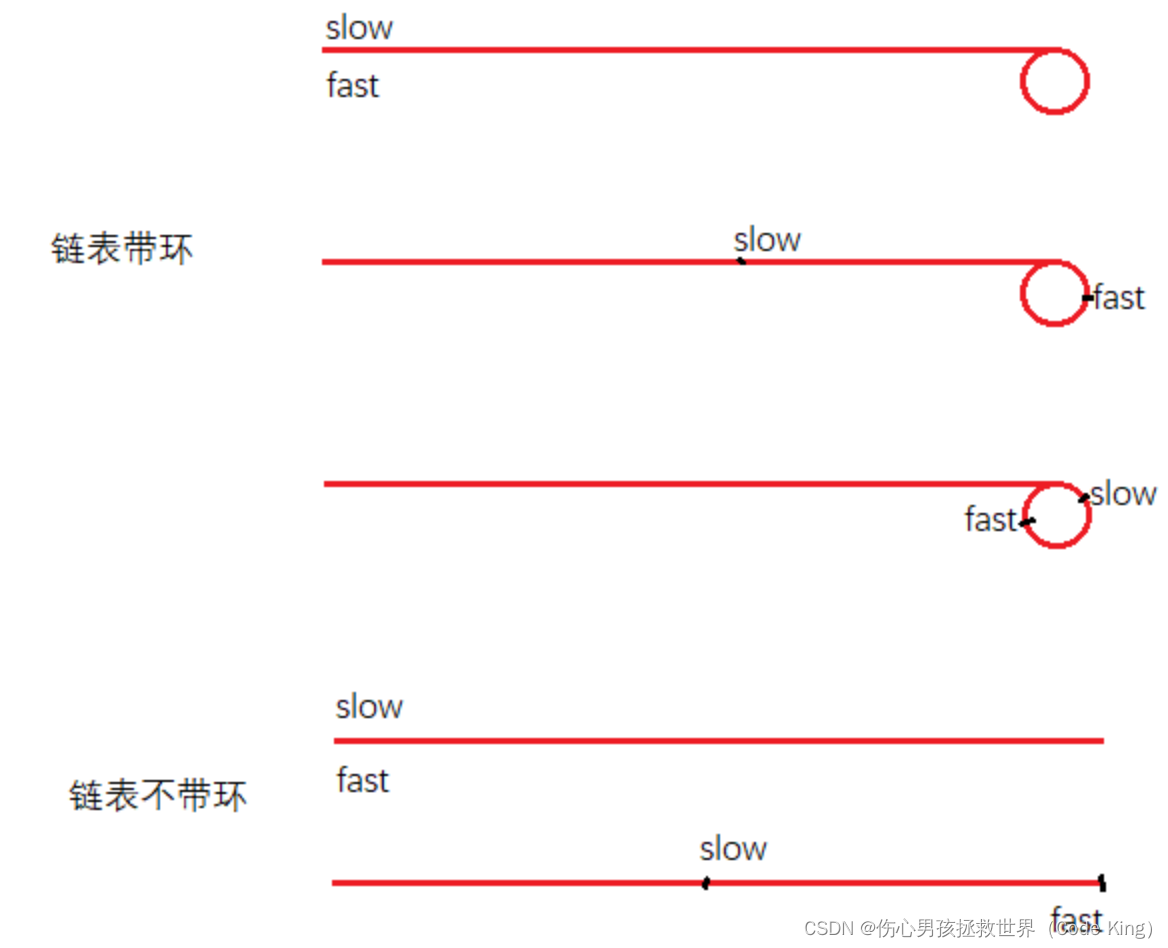
如何判断链表是否有环:使用快慢指针,慢指针一次走1步,快指针一次走2步,如果链表带环,那么快慢同时从链表起始位置开始向后走,一定会在环内相遇,此时快慢指针都有可能在环内打圈,直到相遇;否则,如果链表不带环,那么快指针会先走到链表末尾,慢指针只能在链表末尾追上快指针。
如果快指针不是一次走2步,而是一次走3步,一次走4步一次走x步呢?能不能判断出链表是否带环呢?
如果快指针一次走两步,当slow从直线中间移动到直线末尾时,fast又走了slow的2倍,因此当slow进环时,fast可能在环的任意位置,具体要看直线有多长,环有多大。在环内,一定是fast追slow,因为fast比slow移动的快。
fast一次走3步:假设slow进环的时候,fast跟slow相差N步,环的长度为C,追击时,slow走1步,fast走3步,每走1次,差距就缩小
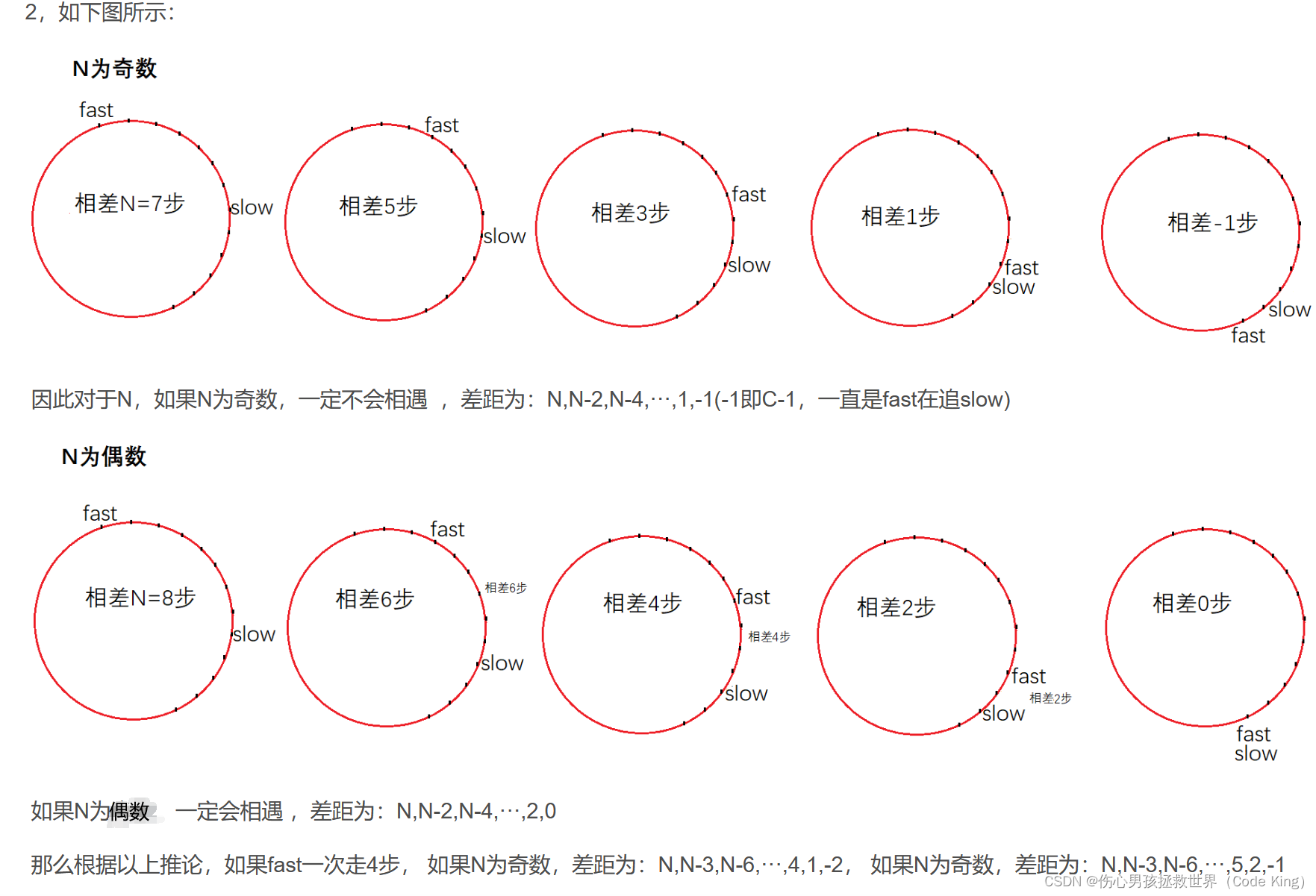
总结:如果slow进环时,slow和fast的差距N是奇数,且环的长度C为偶数(则C-1为奇数,上面举例可以看出差距最小为1或-1),那么就永远追不上了。
(3)代码实现:
/*** Definition for singly-linked list.* struct ListNode {*     int val;*     struct ListNode *next;* };*/
bool hasCycle(struct ListNode *head)
{struct ListNode* slow=head;struct ListNode* fast=head;while(fast&&fast->next){slow=slow->next;fast=fast->next->next;if(fast==slow){return true;}}return false;
}
六、链表和顺序表的优缺点对比

没有谁好谁坏,不同情况具体对待,相辅相成罢了
好了,今天的分享就到这里了
如果对你有帮助,记得点赞👍+关注哦!
我的主页还有其他文章,欢迎学习指点。关注我,让我们一起学习,一起成长吧!